
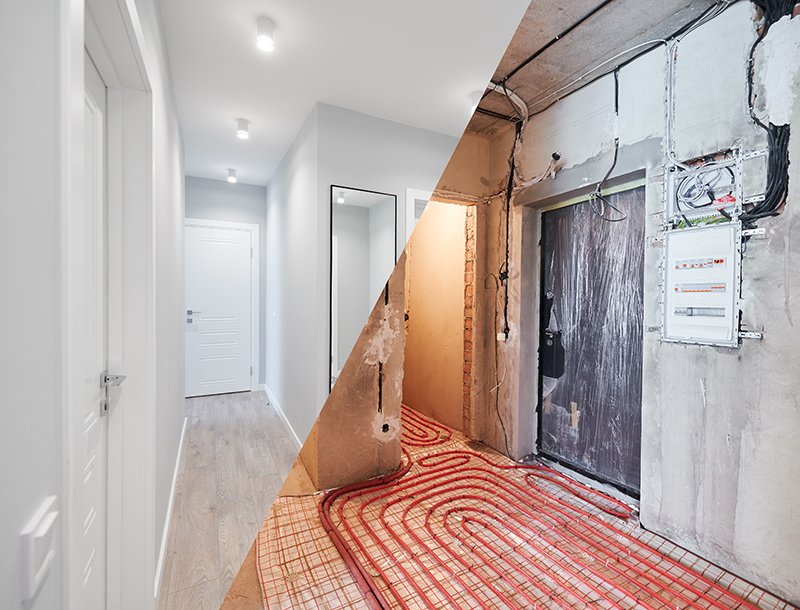
If you’ve been thinking about a home remodel, you’re not alone — and you’re definitely not alone if you’ve been putting it off. Renovating can transform how you live, add value and create spaces that work for your lifestyle — but it only goes well if you plan properly. Below is a step-by-step guide that covers vision, budgets, permissions and practical project management so you can avoid common pitfalls and keep the work on track.
Most homeowners delay for the same reasons:
• Cost feels uncertain — “What if it ends up costing more than I thought?”
• Trust is a big deal — “How do I know the contractor will deliver?”
• Disruption scares us — “Will I be living in a construction zone for months?”
• Too many choices — “What if I pick the wrong style or material?”
I get it. Years ago, I delayed my own remodel for over a year. I told myself I was “waiting for the right time,” but the truth was, I was overwhelmed. The list of changes I wanted just kept growing — and so did my frustration with the space I was living in.
What do we mean by “Home Remodel”
Planning a home remodel in Southern California can feel overwhelming, but at its core, a home remodel is the process of transforming your living space to better suit your lifestyle and preferences. Unlike a simple renovation that might involve cosmetic updates, a remodel often includes structural changes, such as moving walls, reconfiguring layouts, or adding new square footage. A successful remodel with Anderson Construction Solutions starts with a clear vision, a detailed plan, and a partnership with experienced professionals who can guide you through every phase, from initial design to final completion. When you choose to remodel, you’re not just updating your home; you’re investing in its long-term value and creating a space that you and your family will love for years to come.
Why most people put off a Remodel project
Home remodels are intimidating and daunting tasks to take on. This is the best reason to have a clear path and hire expert help. Nothing can ruin your home remodel project like when a dream turns into a nightmare when you realize that the project has gone way over budget, looks horrible, and will not last. A professional and well-done home remodel should last years, both in durability and aesthetics. Do not let these minor issues alarm you, following this guide, as well as hiring a professional home remodeling contractor, will undoubtedly be a huge success.
1. Start with a clear vision
Before you pick finishes or call trades, be crystal clear about what you want to achieve. Ask yourself:
- Do you need more living or sleeping space?
- Is extra storage or a dedicated home office the priority?
- Are you renovating now for your own needs or to appeal to future buyers?
Understanding the “why” — not just the “what” — will guide design choices and make budgeting decisions far easier.
2. Budget carefully and build in contingency
Budgeting is where plans succeed or fail. Include everything: decorating and furnishing, temporary rental costs if you need to move out, architect and structural engineer fees, and planning application charges.
Tip: Anticipate overspending by around 10–15% — particularly on older properties where hidden issues can appear once walls and ceilings are opened up.
Set a realistic total and keep a separate contingency fund. If the outcome doesn’t justify the expense, scale the scope back before work begins.
3. Decide how you’ll finance the work
Of course, it is not uncommon to pay for a remodel with cash that has been saved, but some may choose alternative ways to pay. There are many other finance options include remortgaging, home improvement loans or standard personal loans. A home improvement loan often offers flexibility and an easier application process, but compare interest rates and terms.
Whatever you choose, don’t overstretch your finances — plan repayments into your monthly budget and leave room for unexpected costs. To get more information on how to finance a home remodel, check out these resources from Renofi.

4. Check structural viability and permissions
Get a specialist to inspect load-bearing walls, damp issues, cracks and other hidden risks. Some extensions and changes may require planning permission; rules differ between local authorities, so always check beforehand.
Remember: unauthorised work on your home remodel can be subject to enforcement, and planning permission (if granted) can add value even if you don’t complete the build. Planning permissions typically expire after a set period (often three years), so confirm timelines with your council.
Be open with neighbours — show them your plans and reassure them about noise mitigation and working hours to reduce the chance of objections.
5. Anticipate problems and consider timing
Think ahead: what happens if the project runs over time or costs more than planned? Could you reach a point where temporary relocation is necessary? Will new windows, doors or structural changes require longer lead times?
Time of year matters: spring and summer usually give better weather for external work, while tradespeople may be easier to book in autumn and winter. Build these factors into your schedule and contingency plans.
6. Project management: schedule, sequence and oversight
Smaller refurbishments you might coordinate yourself, but larger jobs benefit from a formal schedule of works covering:
- Structural stability and demolition
- Damp treatment and drainage
- Access, site set-up and snagging
- Decoration and final fixtures
You can appoint an architectural contractor to manage the project. Their fee may be 5–15% of the project cost, but the efficiencies they bring often offset that fee in time and saved mistakes.
7. Get multiple quotes and appoint trusted tradespeople
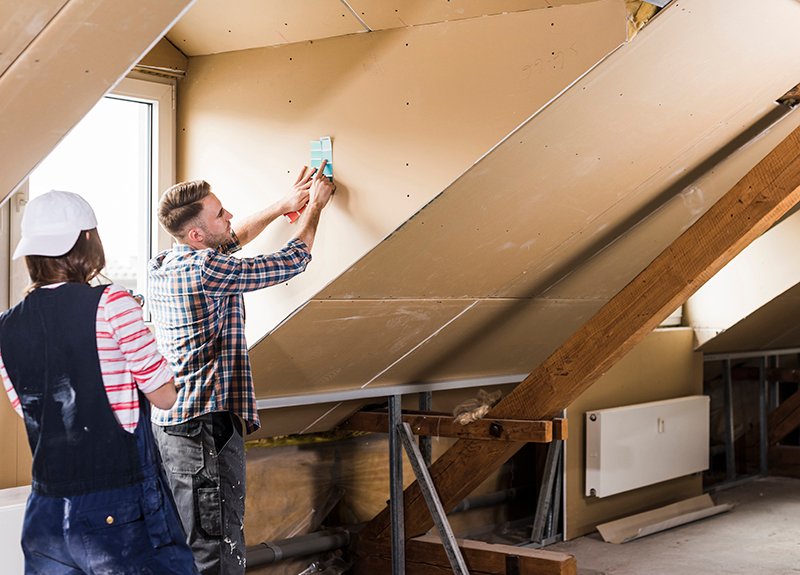
Aim for at least three written quotes for each major trade. Check references and view past work. Clear contracts, agreed milestones and a schedule of payments linked to completed work protect both you and your contractors.
So here’s my gentle challenge: Let’s just start with a conversation. No pressure, no commitment — just a chance to explore what’s possible. The sooner we start talking, the sooner you can start loving your home again.
Conclusion — start well and finish with fewer surprises
A successful home remodel starts with a clear brief, a realistic budget with contingency, and the right professional checks. Anticipate problems, plan the schedule, and bring in reliable tradespeople with written quotes. Take your time in the planning phase — getting this right reduces stress, cost overruns and delays during the build.
Good luck with your project — and always feel free to contact us with any questions or assistance!
Anderson Contacting Solutions serves all of Southern California, from Los Angeles County, Orange County, Riverside County, San Bernardino County, San Diego County, even Ventura County. We handle any job, big or small, and specialize in home remodels, especially kitchens, bathrooms, and other high-traffic rooms that must look beautiful and be durable.